About
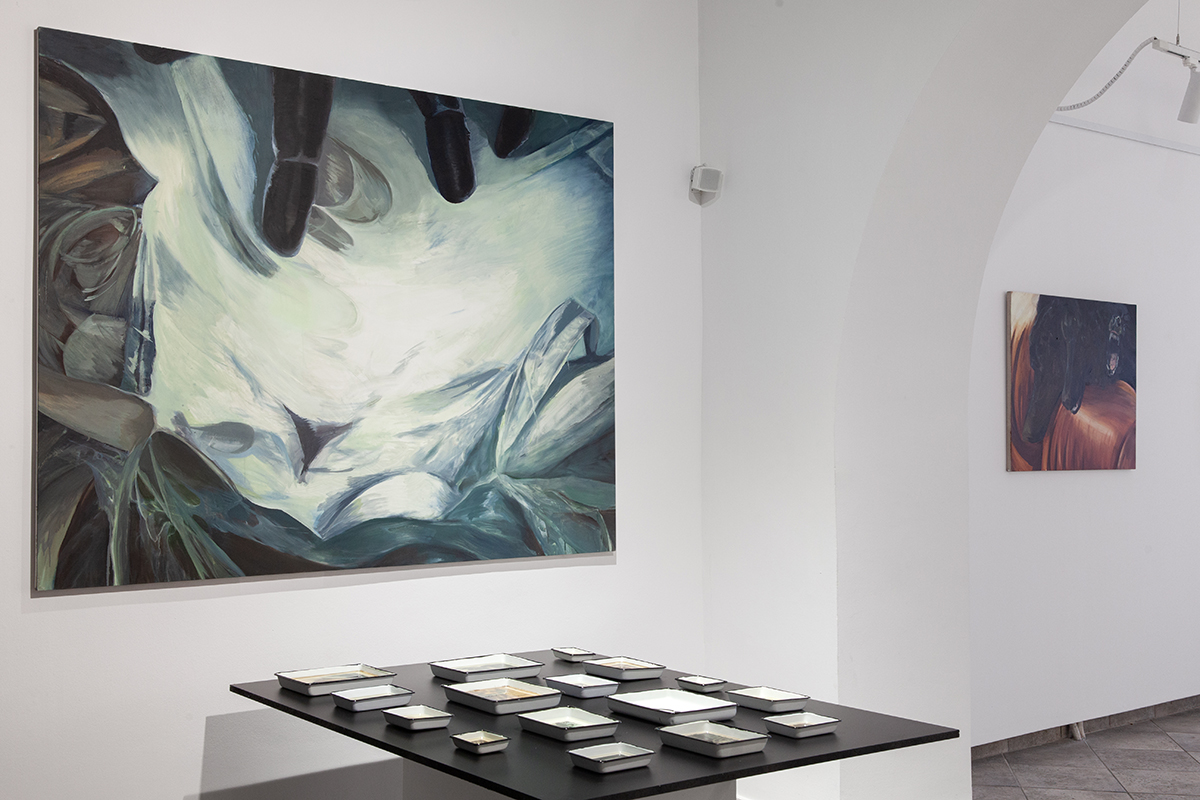
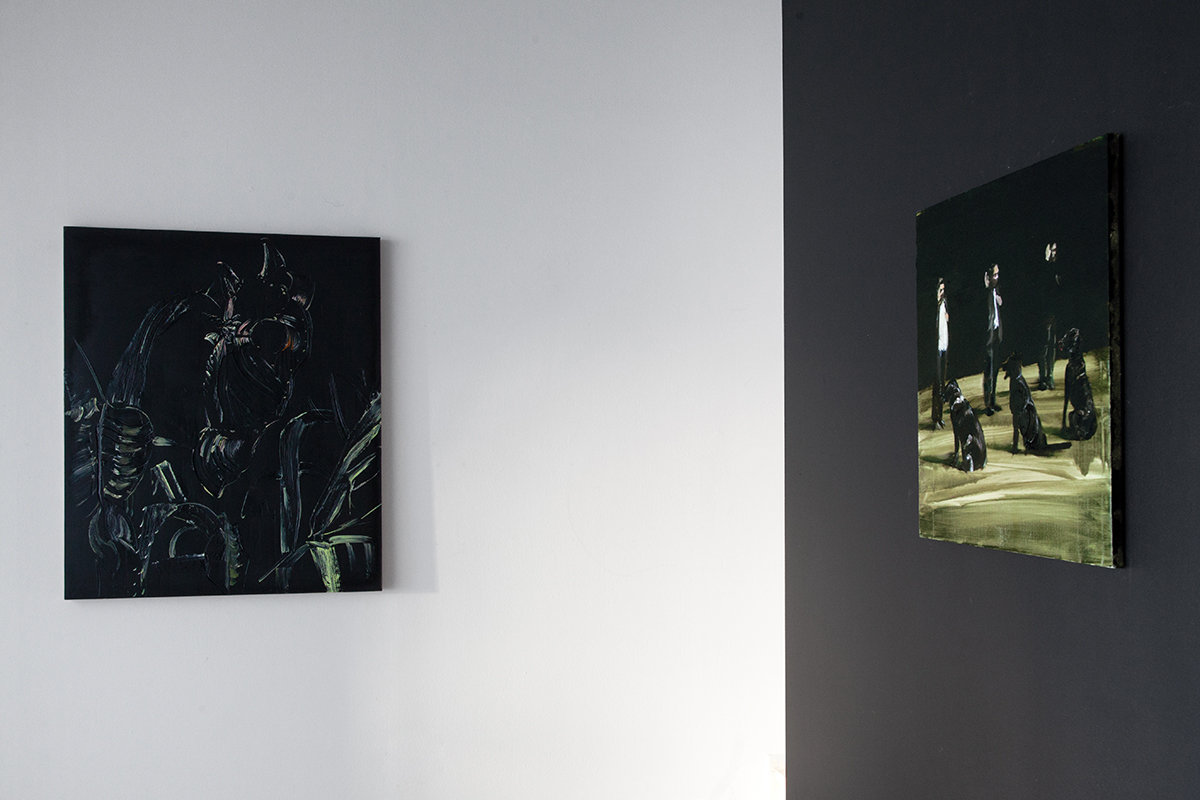
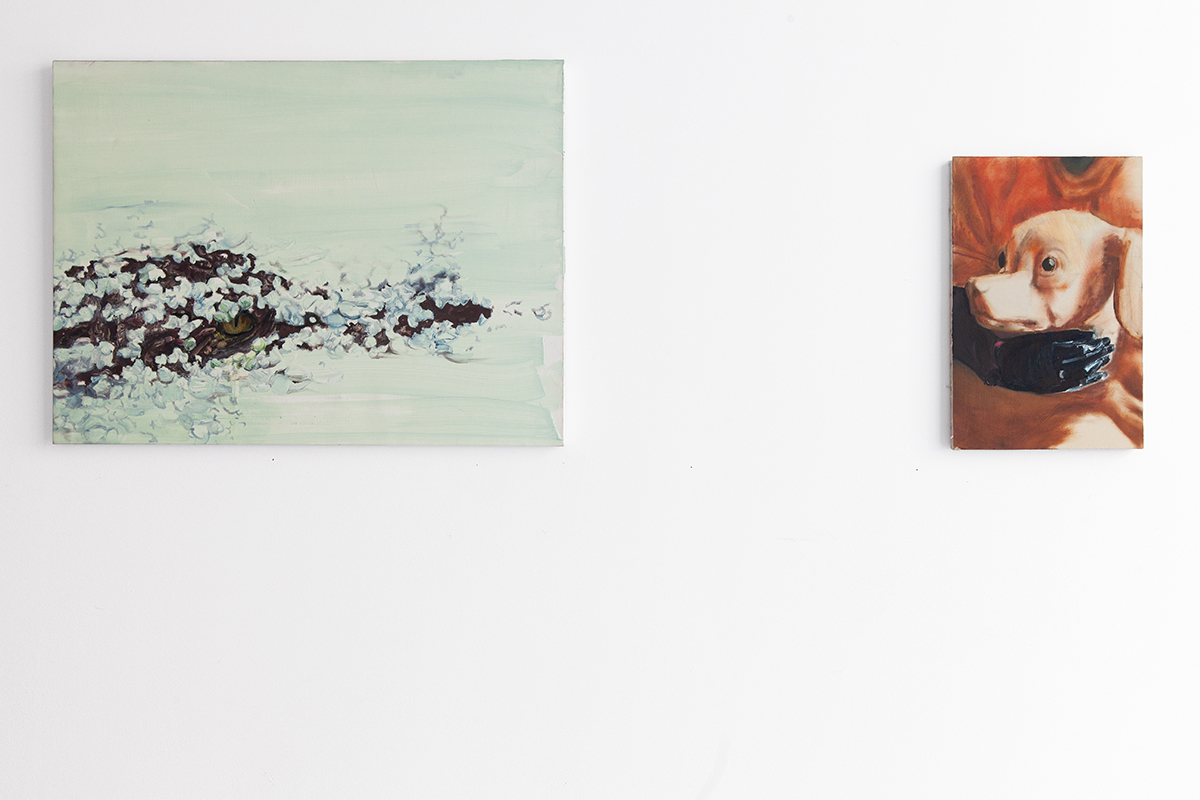
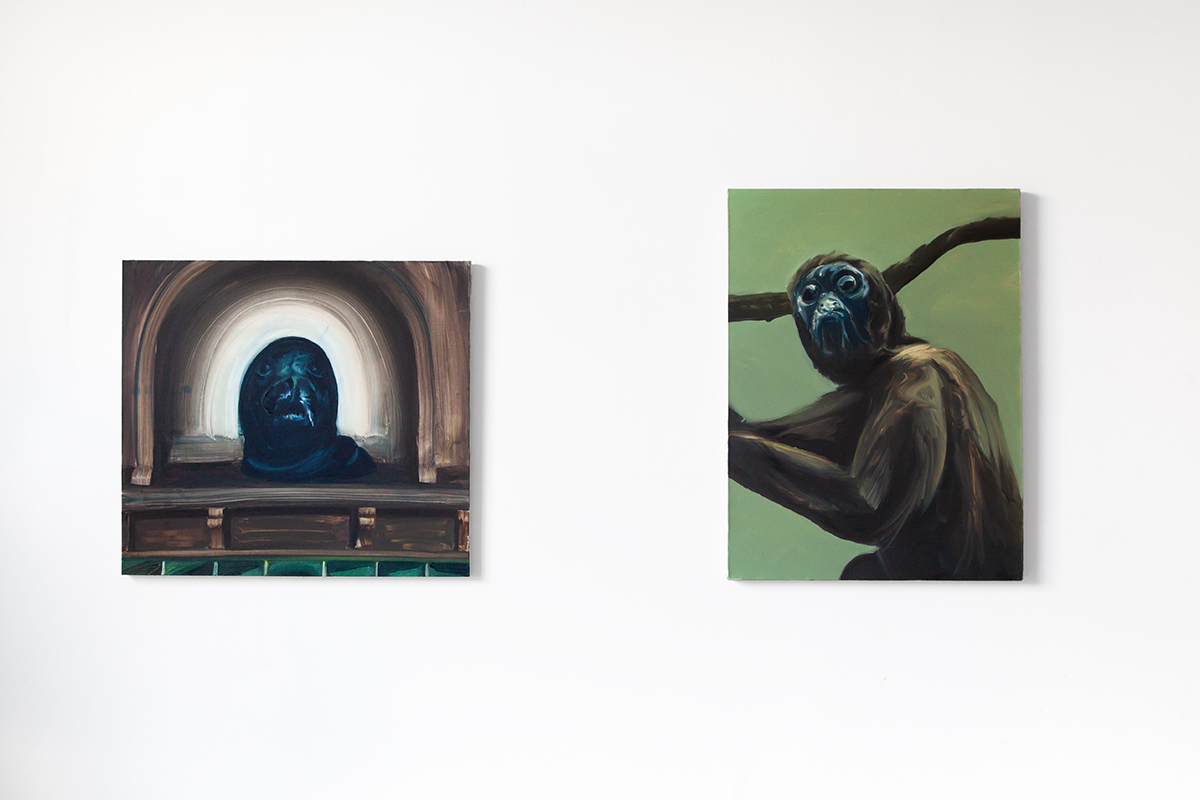
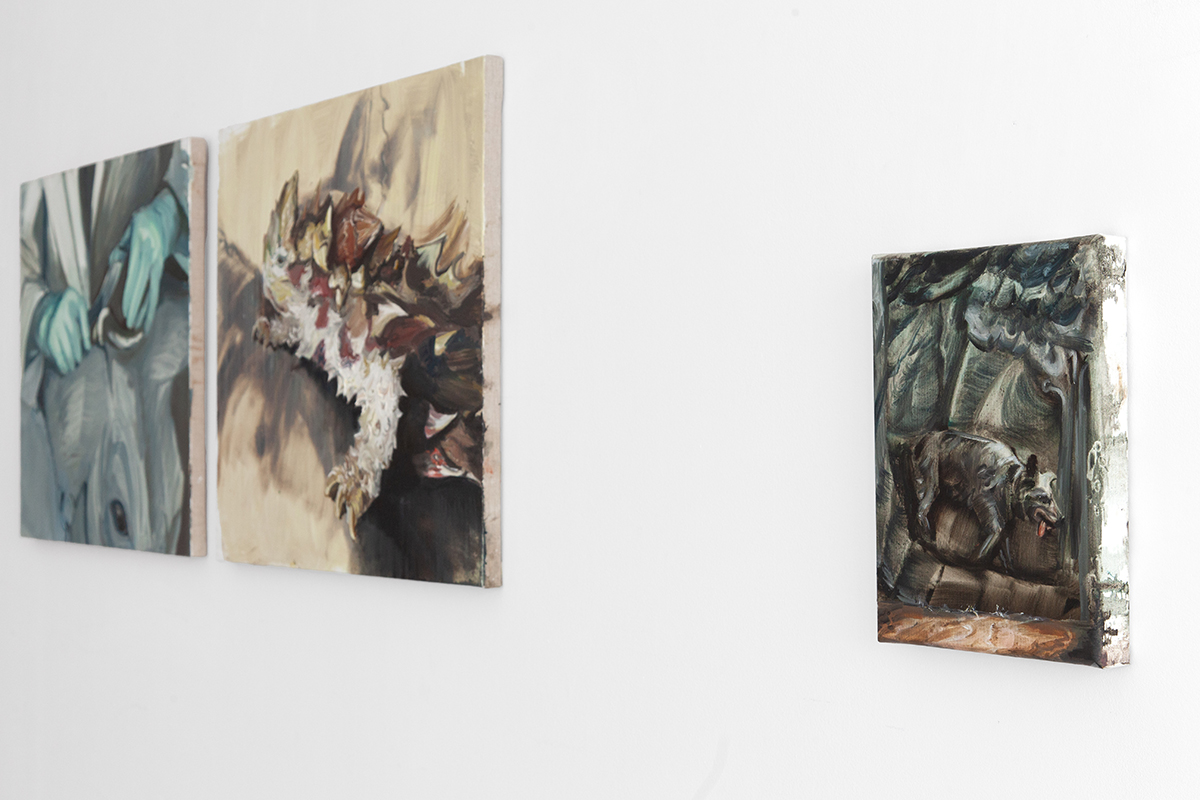
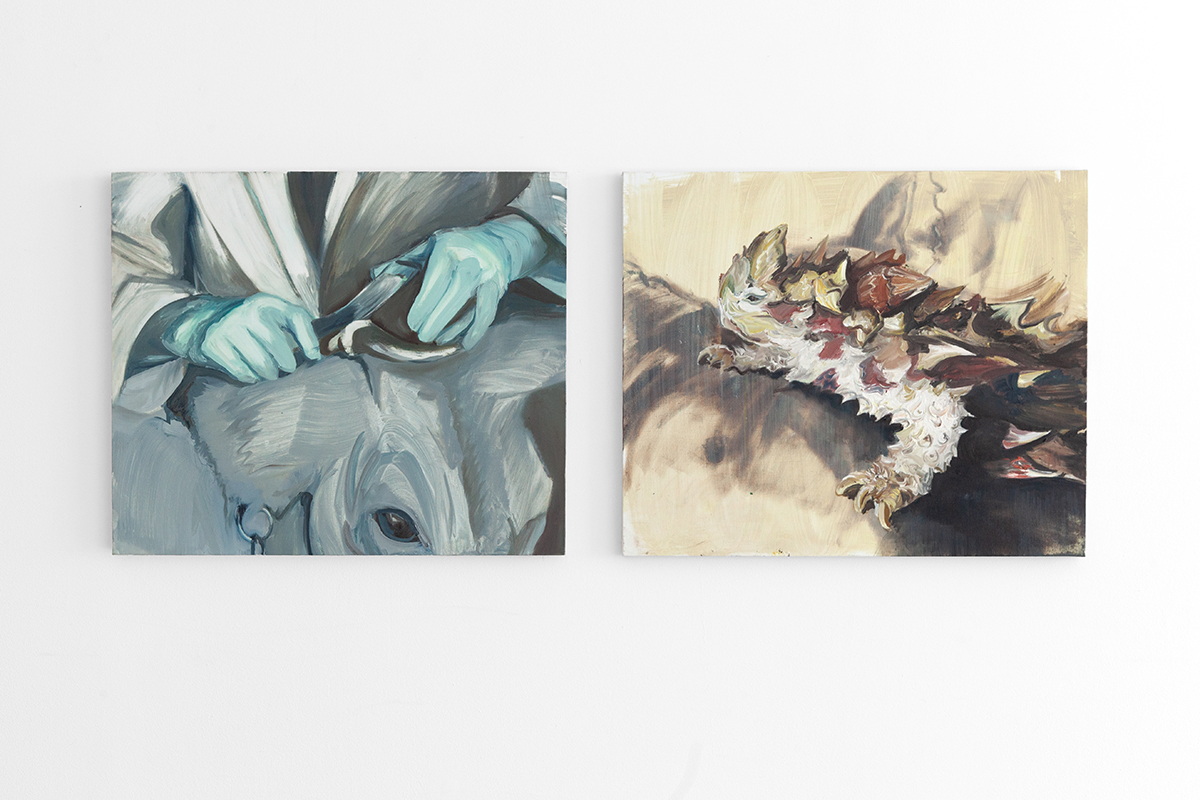
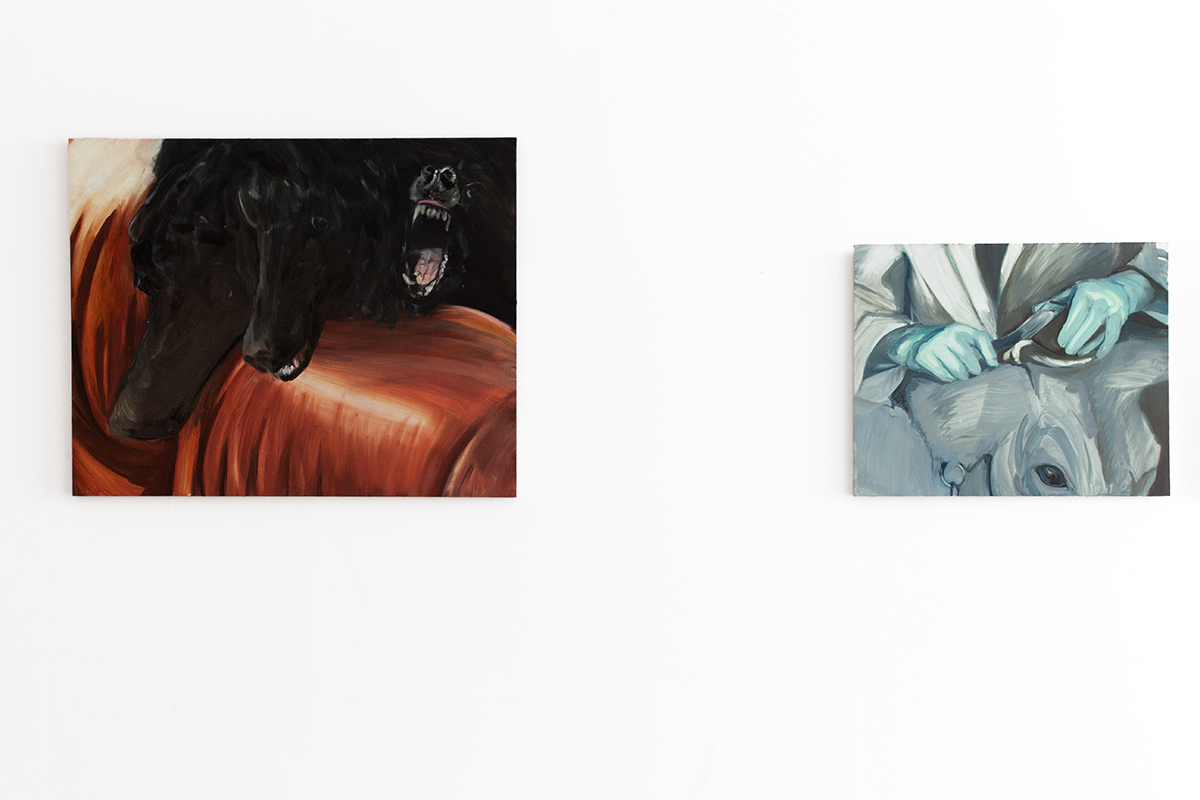
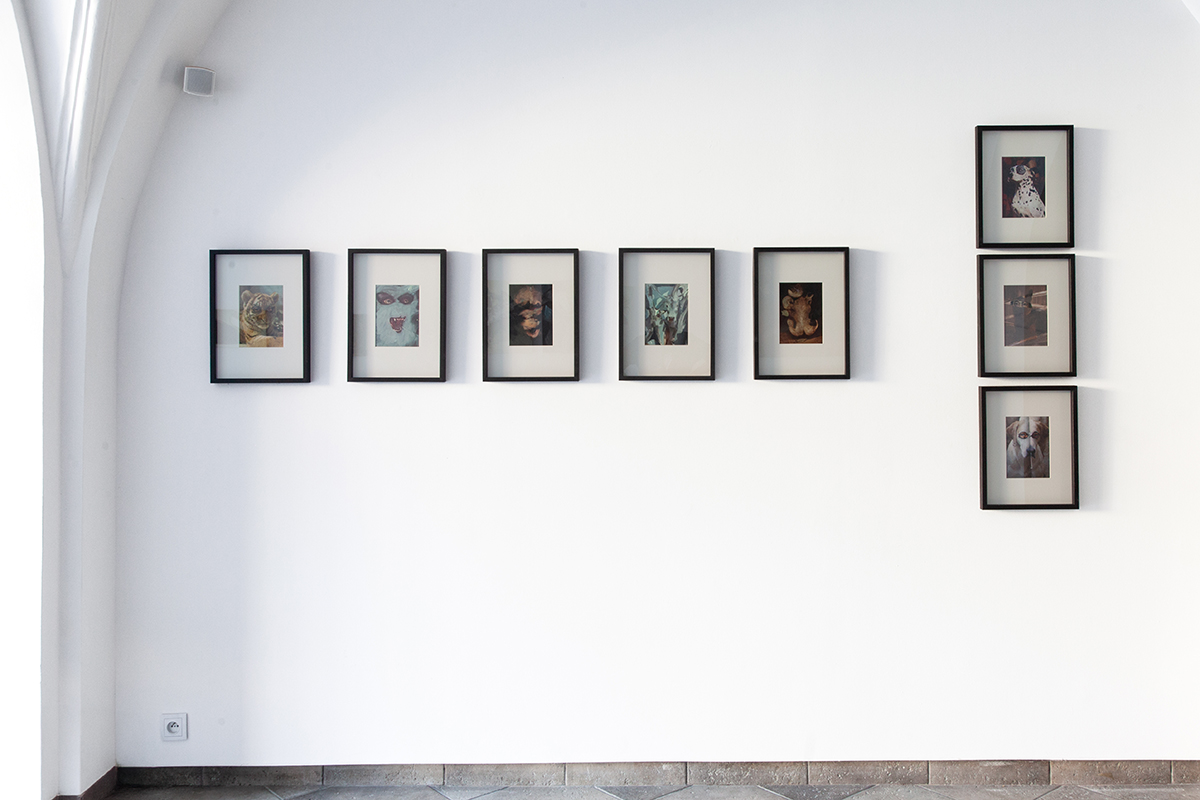
Works from the exhibition The Family of Man:
SEE THE ARTIST'S AVAILABLE WORKS
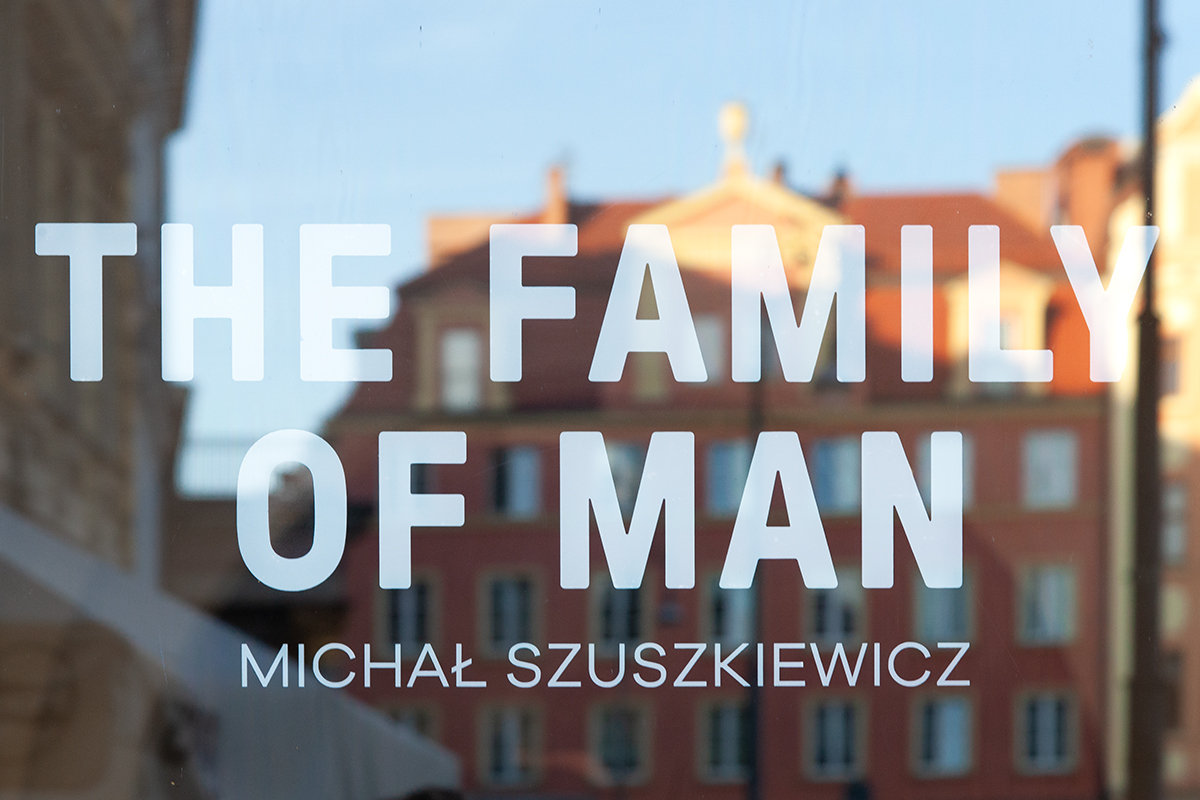
Michał Szuszkiewicz has consistently, for many years, expanded the “Family of Man” through his paintings - though, paradoxically, he only recently rediscovered in his studio archives the catalogue of that very exhibition, published decades ago. Conceived by Edward Steichen, photographer, and MoMA curator, it was also shown in Poland during the communist era. Organized ten years after the end of the Second World War, the exhibition aimed to highlight diversity, while simultaneously emphasizing unity, community, and the similarities of humankind that we are such a varied, yet still human family.
As early as 2007, Szuszkiewicz painted a dog’s head titled Portrait of the Artist as a Young Dog, or a human - like primate gazing intently from the canvas, giving it the title Portrait of an Ancestor. One could say that he proceeds in his art and his thinking with extraordinary consistency. What is more, this way of thinking seems to him entirely natural, almost self-evident. It is an attitude that is now gaining popularity, yet not so long ago it was far from common.
At the same time, Szuszkiewicz would not be himself if he did not mix threads and broaden contexts. The exhibition presented at Wrocław’s “mia ART GALLERY” includes oil paintings and collages, but also a spatial installation. In these undertakings one can sense a resistance to routine and a desire to constantly expand his field of artistic struggle. To say that he is somewhat excessive might be saying too much, yet the material I saw in his studio would probably suffice for two other exhibitions, so there is something to it.
He does not want to paint abstractly, and he does not - but at the same time he creates painterly enigmas. He tightens frames, seeks out motifs that are difficult to identify. He deliberately confuses trails, spinning out veils. As if to balance those compositions that are simple and transparent in their message. The motifs appearing in his paintings are at times rather unexpected, at times almost banal. And so, to keep everything in harmony, ensuring that no side gains dominance, he introduces highly diverse representations - as though his aim were constant surprise. For this purpose, he also employs painterly strategies of adding his own insertions, supplements, or reinterpretations onto ready-made elements. A world seemingly complete, yet peculiarly amended, overpainted, retold - or, on the contrary, overexplained and rephrased in his own way. It is as though nothing could pass without his intervention or interpretation. He seems to leave nothing untouched. Every element marked by the artist’s hand gains weight and significance. A corrector of the world, a teller of his own stories - not a mere witness, but a co-creator, or at least a reorganizer. There is in this a particular refusal to accept things as they are. It seems better to be suspicious and to present them anew, even at the cost of altering how something “should” look - for it has just acquired a new character.
In his attitude, his working method, and his thinking, one can feel a desire to conquer new territories and new spaces. What also becomes clear when observing his successive undertakings is his determination to avoid routine. Perhaps routine is the very thing he most wishes to escape in his artistic life - and so far, he has done so brilliantly.
Exhibition curator : Bogusław Deptuła
Display